
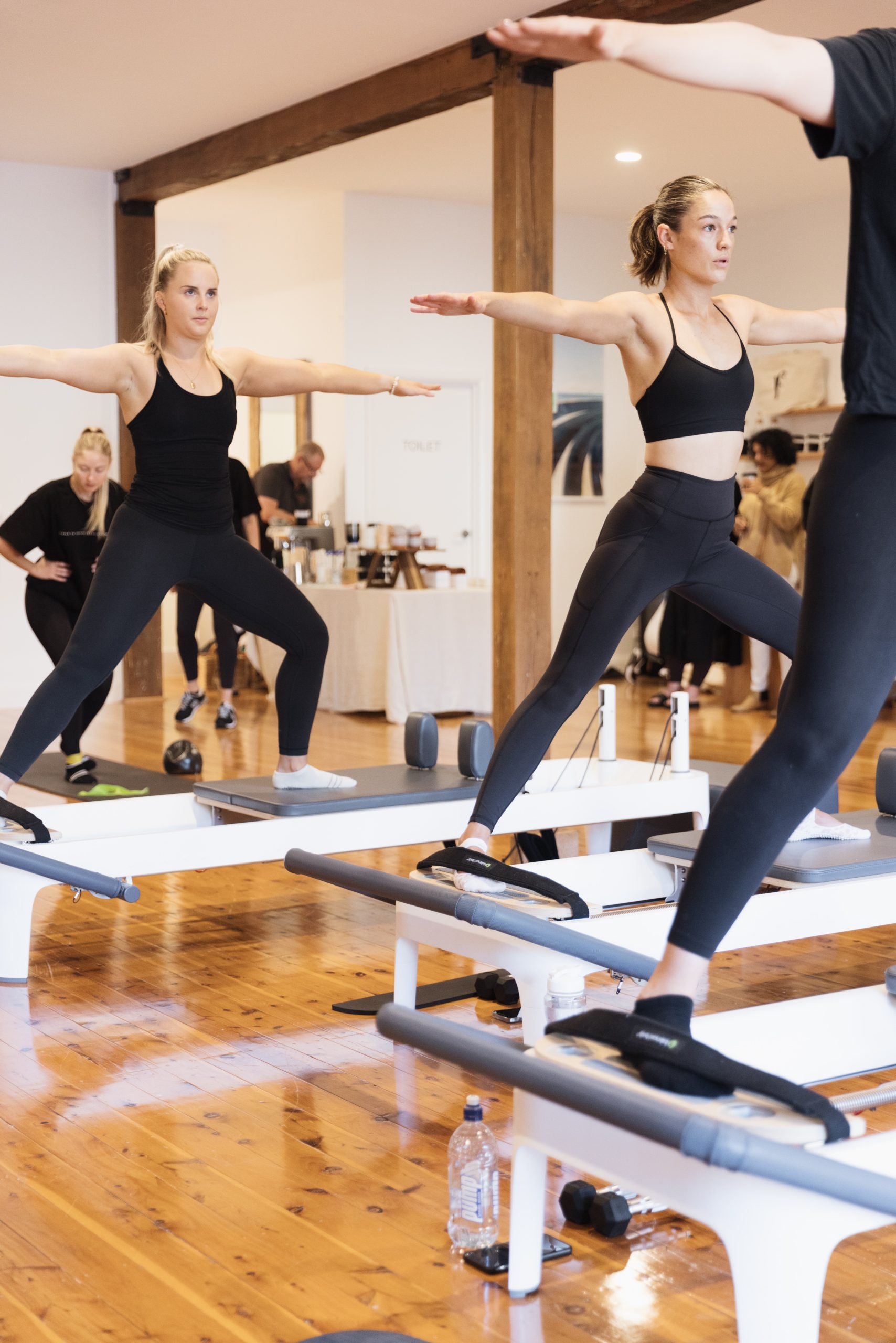
Although some literature has begun to explore self-care and wellbeing, little is known about Pilates as a form of self-care and its relationship with wellbeing. As Pilates combines mindfulness and exercise through strength, coordination, and breath control. It is this unique combination that makes Pilates particularly interesting as a potential well-being intervention.
Both exercise and mindfulness have been shown to improve mental well-being. Specifically, exercise has been shown to positively affect mental well-being, including attention and emotional regulation. Reinforcing this, exercise has been shown to reduce core depressive symptoms with a dose-effect relationship. Mindfulness, derived from meditation, is the practice of being consciously aware and nonjudgmental. These ideas are consistent with the Pilates method. Mindfulness has been shown to improve mental well-being by enhancing neuroplasticity and memory, as well as improving the biological factors associated with anxiety and stress. If both mindfulness and exercise are effective, Pilates could be a uniquely powerful intervention for improving well-being by combining the two.
Although the underlying mechanisms in Pilates that improve well-being are not yet known. Pilates has been shown to improve stress levels and feelings of social connectedness when practised in a class setting. Some studies identify parasympathetic nervous system activation resulting from mindfulness-based practices to promote relaxation. These mechanisms may explain why Pilates is particularly beneficial for mental well-being.
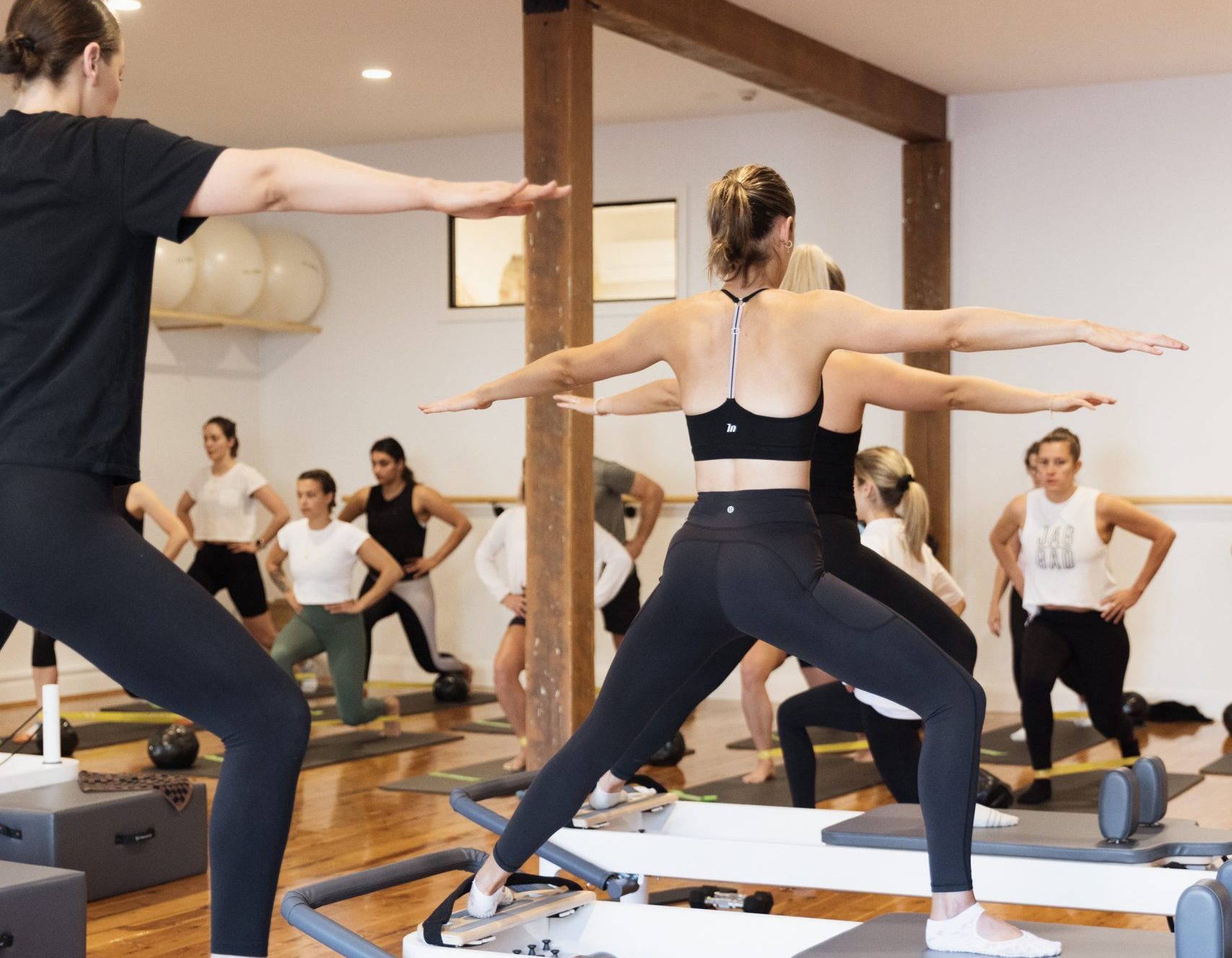
Although there is very little literature on motivation to participate in Pilates. Participants’ motivation to engage in Pilates is likely broad and may evolve across the lifespan. Some people may choose to participate in Pilates to manage physical symptoms of injuries or to improve strength, flexibility or balance. While others may try Pilates due to its current trendiness and stay for its immediate positive effects. In an older population, a small study found that health, pleasure, and sociability were the main reasons for participation, although results varied substantially by gender.
My study aims to resolve some of these murky areas. I am exploring why people choose to participate in Pilates and whether it improves their mental well-being over time. This is particularly worth studying because Pilates is accessible to a broad population and is less limited by factors such as pregnancy, age, and physical disabilities. If Pilates is found to be effective in improving mental well-being, health practitioners such as doctors, psychologists, and social workers can be more confident in recommending it to their clients.
By Abby Taylor